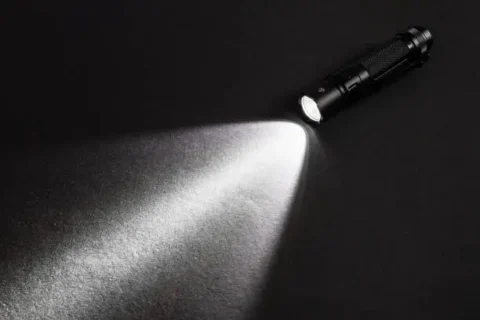
The core of EDC (Everyday Carry) is “portable, practical, and emergency-ready”. A quality EDC flashlight shouldn’t be a burden—it should be a pocket-sized “light companion” that you can grab and use anytime. Whether you’re commuting, picking up packages after dark, walking the dog at night, or handling unexpected power outages, a small EDC flashlight solves countless daily hassles. But with so many compact flashlights on the market, how do you pick one that’s truly worth carrying? You only need to focus on 3 key factors, and you’ll find the perfect EDC flashlight for your needs.
Unlike outdoor flashlights that prioritize brightness and durability, EDC flashlights balance portability, ease of use, and reliable battery life. It’s not about stacking specs—it’s about fitting seamlessly into your daily routine. This guide breaks down the essential tips for choosing an EDC flashlight, so you can find a model that’s small enough to carry, but powerful enough to count on when you need it most.
Main Image: EDC Flashlight Buying Guide – Compact & Practical
(Image Description: Minimalist lifestyle design. Left side shows a compact EDC flashlight attached to a keychain and tucked into a jeans pocket. Right side features close-up of the flashlight’s on/off switch. Bottom text: “3 Key Tips for Choosing Your Perfect EDC Flashlight”)
Tip 1: Small Enough & Light Enough – Truly “Everyday Carry”
The biggest requirement for an EDC flashlight isportability. If it’s too big or heavy, you’ll end up leaving it at home—no matter how good it is. The sweet spot for EDC flashlights is a balance of size and functionality, so it can slide into your pocket or attach to your gear without weighing you down.
### Ideal Size & Weight Guidelines
- Length: Keep it under 10cm (3.9 inches). This ensures it fits comfortably in most jeans pockets, backpack side slots, or even a small purse—no bulky protrusions or awkward bulges.
- Weight: No more than 50g (1.76 ounces). A lightweight flashlight feels almost unnoticeable when carried, so you’ll never forget it or find it a hassle to bring along.
### Carry-Friendly Features to Look For
Beyond size and weight, small design details make an EDC flashlight even more convenient:
- Keychain Attachment: A built-in keyring loop lets you attach the flashlight directly to your keys, so it’s always with you—no more digging through your bag to find it.
- Slim Profile: Avoid flashlights with bulky bodies or protruding buttons. A sleek, cylindrical design slides into pockets more easily and won’t get caught on fabric.
- Non-Slip Texture: Even compact flashlights need a secure grip. Look for a subtle non-slip pattern on the body to prevent it from slipping out of your hand when you need it.
Pro Tip: Avoid oversized “EDC” flashlights marketed as “all-in-one”. If it can’t fit in your pocket, it’s not true EDC—it’s just a small outdoor flashlight.
Image: EDC Flashlight Size Comparison
(Image Description: Side-by-side comparison of a compact EDC flashlight (under 10cm) with a standard AA battery and a keychain for scale. Label dimensions and weight to highlight portability. Include shots of the flashlight in a jeans pocket and attached to a keychain.)
Tip 2: Simple Operation – One-Button On/Off for Emergencies
EDC flashlights are often used in time-sensitive or emergency situations—fumbling with complicated settings or multiple buttons defeats the purpose. The best EDC flashlights are intuitive to use, so you can turn them on in a split second without looking.
### Must-Have Operation Features
- One-Button On/Off: Prioritize flashlights with a single, easy-to-reach button (usually on the tail cap or side). A tail cap button is especially convenient—it lets you turn the light on with your thumb while holding it, or even activate it with a quick press against a surface (perfect for one-handed use).
- Minimal Brightness Modes: You don’t need 10+ modes for EDC. Stick to 3 basic modes:
- Low Beam (100–300 lumens): For close-range tasks like unlocking your door, finding items in your bag, or walking the dog without blinding others.
- Medium Beam (300–1000 lumens): For general nighttime lighting, like walking down a dim sidewalk or navigating a dark parking lot.
- Strobe Mode: For emergencies—use it to signal for help, deter strangers, or alert drivers if you’re stranded.
- Mode Memory: A useful bonus feature—this lets the flashlight remember the last mode you used, so you don’t have to cycle through modes every time you turn it on. For example, if you usually use low beam for walking the dog, it will default to low beam the next time you turn it on.
### What to Avoid
Steer clear of flashlights with complicated interfaces—no touchscreens, no multi-step mode changes, and no hidden buttons. In an emergency, simplicity is key. You don’t want to be scrolling through settings while you’re in the dark.
Image: EDC Flashlight One-Button Operation Demo
(Image Description: Close-up shots of a tail cap button and side button on EDC flashlights. Show one-handed operation (thumb pressing the button) and label “One-Button On/Off” and “Strobe Mode”. Include a diagram of the 3 basic brightness modes.)
Tip 3: Reliable Battery Life – Convenient Charging, No Power Anxiety
EDC flashlights are used frequently but for short bursts—you don’t need a 100-hour runtime, but you do need consistent power and easy charging. The goal is to avoid “dead battery panic” when you reach for your flashlight in an emergency.
### Battery Type Recommendations for EDC
For most EDC users, Type-C rechargeable lithium-ion batteries are the best choice. Here’s why:
- Universal Charging: Type-C ports are compatible with smartphone chargers, laptop chargers, and portable power banks. You can charge your flashlight at home, in the office, or on the go—no need to carry a separate charger.
- Quick Charging: Most modern EDC flashlights with Type-C support fast charging—you can top up the battery in 1–2 hours, so you’re never without power for long.
- Long-Term Value: Rechargeable batteries can be used hundreds of times, so you’ll save money on disposable batteries over time. They’re also more eco-friendly.
### Backup Power Options (For Extra Peace of Mind)
If you want maximum reliability, look for EDC flashlights with dual power supply (rechargeable lithium-ion + disposable alkaline batteries). This way, if your rechargeable battery dies and you can’t charge it, you can pop in a AAA or AA battery and keep using the flashlight—perfect for travel or extended trips.
### Battery Life Guidelines
For EDC use, a runtime of 8–12 hours on medium beam is more than enough. This covers daily use for weeks without needing a charge. Remember: higher lumens = shorter battery life, so stick to the brightness you need, not the highest possible.