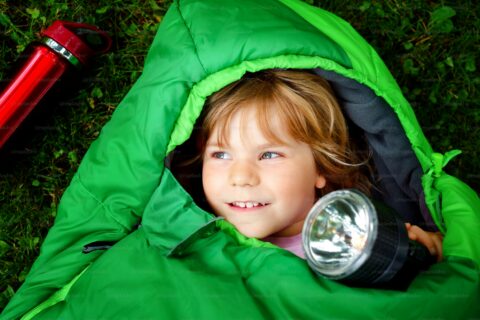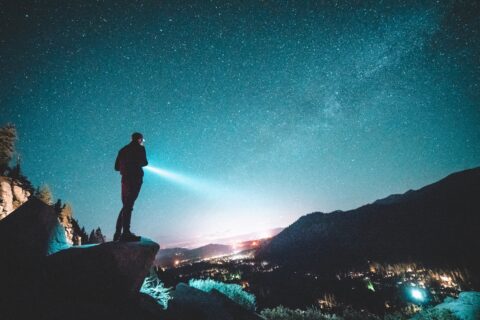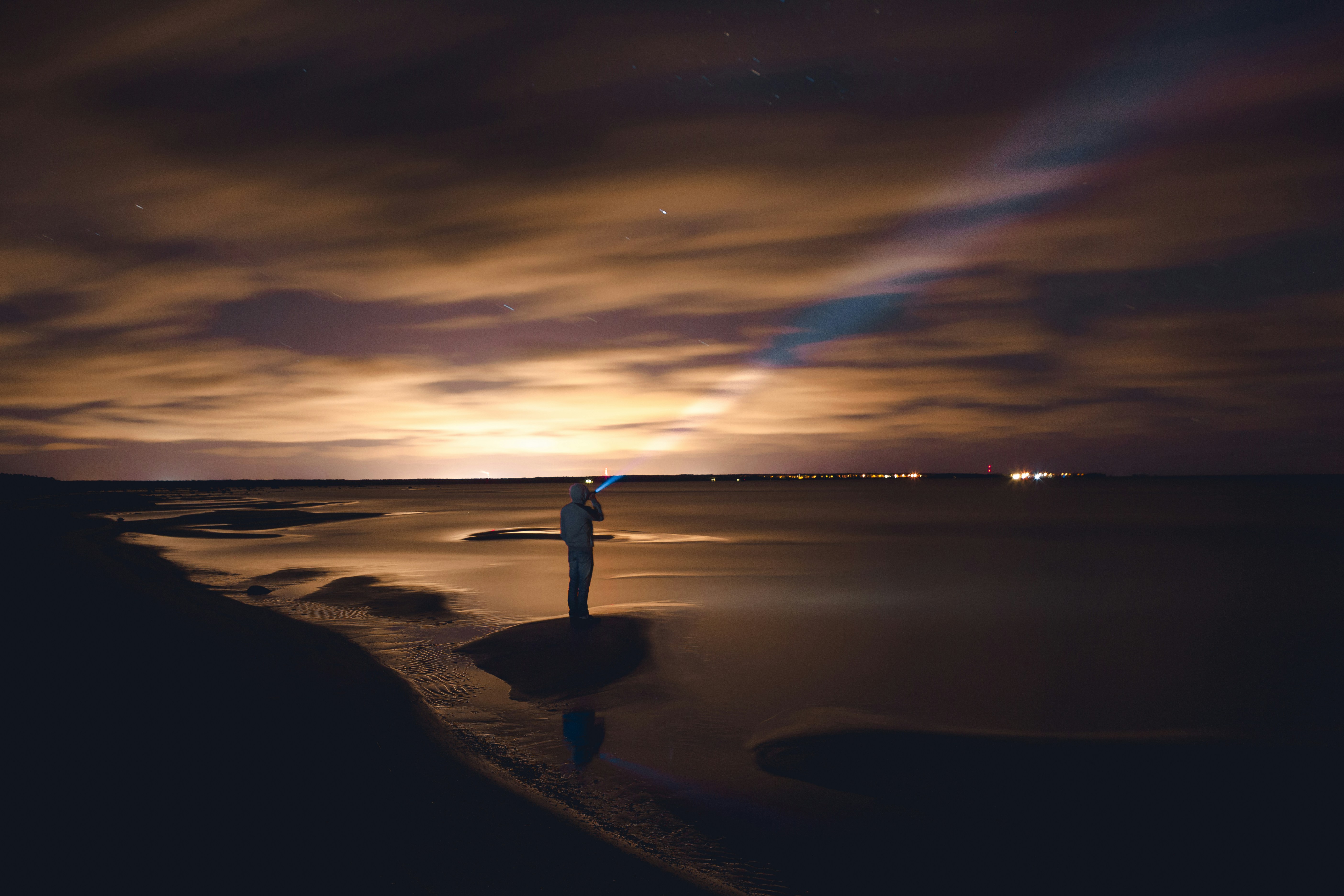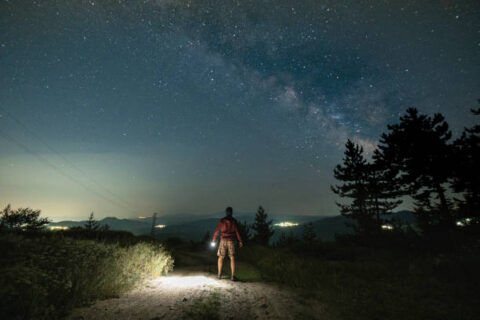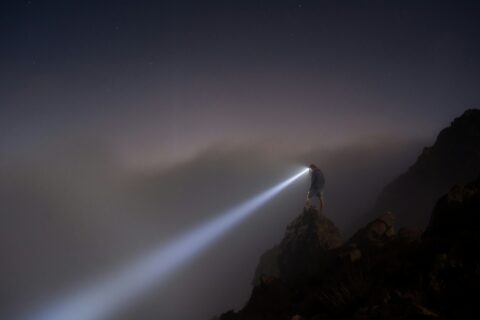
For outdoor adventurers, a flashlight isn’t just an accessory—it’s a safety essential. Whether you’re illuminating a trail during a night hike, lighting up your campsite after sunset, or signaling for help in an emergency, a reliable outdoor flashlight can make or break your outdoor experience. But not all flashlights are built for the great outdoors—rough terrain, rain, mud, and long hours of use demand a model that’s durable, bright, and versatile. This guide breaks down everything you need to know about choosing and using an outdoor flashlight, so you can explore with confidence after dark.
Unlike EDC flashlights that prioritize portability, outdoor flashlights focus on brightness, battery life, durability, and adaptability. The right model will handle whatever nature throws at it, while the wrong one can leave you stranded in the dark. Read on to master the key tips for selecting and using an outdoor flashlight for hiking, camping, and beyond.
Main Image: Outdoor Flashlight Guide for Hiking & Camping
(Image Description: Adventure-themed design. Left side shows a hiker using a flashlight to navigate a wooded trail at night. Right side features a flashlight propped on a camping table, lighting up a tent. Bottom text: “Choose & Use Your Outdoor Flashlight Like a Pro”)
Part 1: 3 Core Requirements for Choosing an Outdoor Flashlight
1. Brightness & Battery Life: Balance Illumination and Longevity
Outdoor environments are unpredictable—you need a flashlight that’s bright enough to cut through darkness, but efficient enough to last through long trips. The key is to match brightness and battery life to your adventure length and terrain.
- Brightness Recommendations:
- Basic outdoor use (suburban hiking, day trips, car camping):1000–2500 lumens. This lights up 20–30 meters ahead, perfect for navigating trails and illuminating campsites without wasting power.
- Advanced outdoor use (backcountry hiking, multi-day camping, mountain trails): 2500+ lumens. Ultra-bright light cuts through dense woods, fog, or heavy darkness, ideal for complex terrain or search-and-rescue scenarios.
- Battery Life Guidelines:
- Day trips or short hikes: 12–24 hours of runtime (medium beam) is sufficient.
- Multi-day trips or backcountry adventures: 24–48+ hours of runtime, or a model with replaceable batteries (so you can bring spares).
- Battery Type Tips: Opt for rechargeable 18650 or 21700 lithium-ion batteries for daily use—they’re eco-friendly and cost-effective. For long trips without charging access, choose a dual-power model (rechargeable + disposable AA/AAA batteries) to avoid power anxiety.
2. Durability & Water Resistance: Built for the Elements
Outdoor flashlights face bumps, drops, rain, mud, and dust—they need to be tough enough to survive rough use. Don’t skimp on durability; a cheap, fragile flashlight can fail when you need it most.
- Material Choice: Prioritize aircraft-grade aluminum (6061/6063). It’s lightweight, shock-resistant, and corrosion-proof—able to handle accidental drops (from waist or shoulder height) and harsh weather.
- Water Resistance Rating:
- Minimum standard for outdoor use: IPX6 (resistant to heavy rain and powerful water jets). This handles downpours, mud splashes, and even accidental submersion in shallow water.
- For water-adjacent activities (stream trekking, rafting): IPX7 or IPX8 (submersible for 30+ minutes).
- Extra Protection: Look for models with sealed battery compartments and dust-proof charging ports to keep out dirt, sand, and moisture.
3. Modes & Versatility: Adapt to Different Scenarios
Outdoor lighting needs change constantly—one mode won’t fit all situations. The best outdoor flashlights have multiple modes to handle navigation, camping, and emergencies.
- Essential Modes:
- Low/Medium/High Beam: Adjust brightness for different tasks (low for campsites, high for trails).
- Strobe Mode: Deters wildlife (like coyotes or raccoons) and signals for help in emergencies.
- SOS Mode: Emits a standard distress signal (3 short, 3 long, 3 short flashes) that’s recognizable worldwide—critical for emergency situations.
- Bonus Modes:
- Red Light: Preserves night vision, so you can navigate without blinding yourself or your hiking partners. Perfect for early-morning starts or late-night trips to the latrine.
- RGB Ambient Light: Turns your flashlight into a camp light, adding atmosphere to your campsite without harsh glare.
Image: Outdoor Flashlight Brightness & Mode Comparison
(Image Description: 4-grid layout showing different modes in real outdoor scenarios: High Beam (wooded trail), Low Beam (campsite), Strobe Mode (emergency signal), Red Light (night navigation). Label each mode with lumens and use case.)
Part 2: 4 Practical Tips for Using an Outdoor Flashlight
Choosing the right flashlight is half the battle—using it properly ensures you get the most out of it, stay safe, and extend its lifespan.
1. Switch Modes Strategically to Save Battery
Avoid leaving your flashlight on high beam all the time—it drains battery quickly. Use low or medium beam for campsite lighting, cooking, or close-range tasks, and reserve high beam for trail navigation or emergencies. Keep spare batteries (or a portable charger) in a waterproof bag, so you’re never caught without power.
2. Free Up Your Hands with Mounts or Clips
Hiking with a flashlight in one hand and a trekking pole in the other is cumbersome. Use these hacks to go hands-free:
- Headlamp Conversion: Use a flashlight clip to attach it to your hat brim—turning it into a makeshift headlamp for hiking or setting up camp.
- Camp Light Setup: Prop the flashlight on a rock or use a tail cap stand to point it upward (reflecting light off a tent or tree) for widespread campsite lighting.
- Magnetic Mount: If your flashlight has a magnetic tail cap, attach it to your car, cooler, or metal camping gear for hands-free use while cooking or repairing equipment.
3. Protect Against Water and Dust
Even waterproof flashlights need care to maintain their seal. After use in rain or mud, wipe the body dry with a clean cloth—pay extra attention to the charging port and battery compartment. Always close the dust/water plug tightly after charging, and check the rubber gasket periodically for cracks or wear (replace it if needed).
Pro Tip: If your flashlight gets submerged, turn it off immediately, remove the battery, and let it air dry completely before using it again. Avoid using a hair dryer—high heat can damage internal components.
4. Bring a Backup Light
Never rely on a single flashlight for outdoor trips. Bring a small EDC flashlight as a backup—if your main flashlight breaks or runs out of battery, the backup will provide enough light to get you to safety. Store the backup in a separate bag, so you don’t lose both if your main bag goes missing.
Image: Outdoor Flashlight Hands-Free & Backup Setup
(Image Description: Split-screen image. Left side: Flashlight clipped to a hat brim (headlamp hack) and propped on a camping table (camp light). Right side: Main outdoor flashlight next to a small EDC backup flashlight, labeled “Dual Light Protection for Safety”.)
Bonus: Common Mistakes to Avoid with Outdoor Flashlights
- Overlooking Weight: A 300g+ flashlight is heavy to carry on long hikes. Balance durability with weight—aim for 80–200g for multi-day trips.
- Ignoring Battery Care: Don’t store rechargeable batteries fully drained (it damages them) or fully charged (it shortens lifespan). Keep them at 50–70% charge when storing.
- Buying Based on Lumens Alone: High lumens are useless if the flashlight dies quickly or breaks easily. Prioritize a balanced combination of brightness, battery life, and durability.
Final Outdoor Flashlight Buying Checklist
- Brightness: 1000+ lumens (basic outdoor), 2500+ lumens (advanced outdoor)
- Battery Life: 24+ hours (multi-day trips) or dual-power supply
- Durability: Aircraft-grade aluminum body
- Water Resistance: IPX6+ (minimum)
- Modes: Low/Medium/High, Strobe, SOS (essential)
- Weight: 80–200g (hiking-friendly)
Conclusion
An outdoor flashlight is more than just a light source—it’s your safety companion in the dark. By choosing a model that’s bright, durable, and versatile, and using it strategically (saving battery, going hands-free, bringing a backup), you can explore the outdoors with confidence, no matter how late the adventure lasts.
Whether you’re a casual camper or a seasoned hiker, the right outdoor flashlight will handle the elements, keep you safe, and enhance your nighttime outdoor experience. Don’t settle for a cheap, unreliable model—invest in one that’s built for adventure, and it will serve you for years to come.