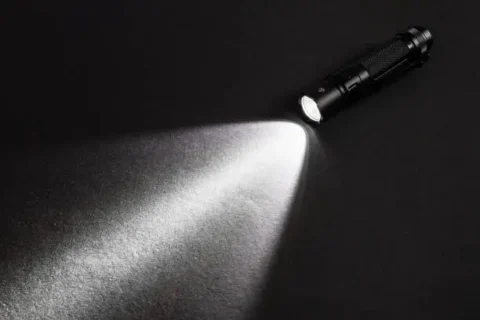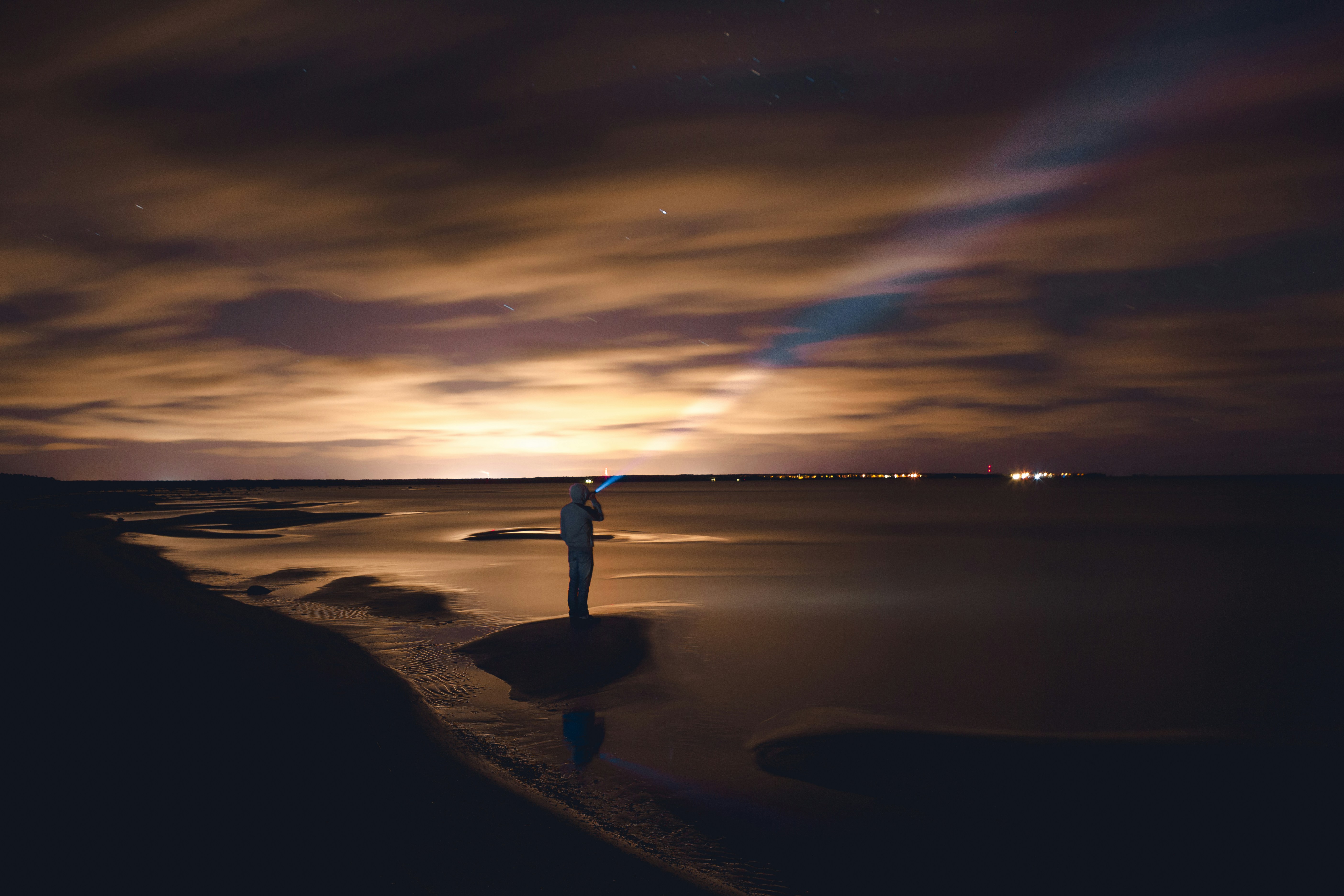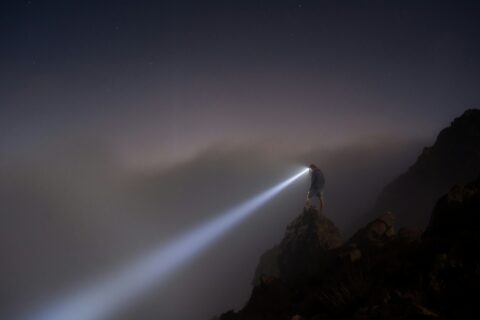
When most people think of flashlights, they picture a single white beam cutting through the dark. But with advances in flashlight technology, modern models are no longer just “lighting tools”—they come with multi-color light sources like RGB ambient light, UV ultraviolet light, red light, and yellow light. Each light source serves a unique purpose, turning one flashlight into multiple tools. Whether you’re camping, commuting, or handling daily tasks, these hidden light source uses will maximize your flashlight’s value. Let’s explore the practical benefits of different flashlight light sources and how to make the most of them.
Gone are the days of relying solely on white light. Multi-light-source flashlights offer versatility that fits every scenario, from outdoor adventures to everyday chores. By understanding what each color does, you can choose the right flashlight for your needs and unlock features you never knew you needed.
Main Image: Multi-Light-Source Flashlight Guide
(Image Description: Vibrant, multi-scene design. Center shows a flashlight emitting different colored beams (white, red, UV, RGB, yellow). Surrounding images show real uses: red light for night hiking, UV light for leak detection, RGB light for camping. Bottom text: “Unlock the Full Potential of Your Flashlight”)
1. White Light: The Universal Workhorse
White light is the foundation of any flashlight—it’s bright, clear, and fits 90% of lighting needs. It’s divided into cool white and warm white based on color temperature, each tailored to specific tasks.
- Cool White Light (5000K–7000K):
- Features: Crisp, bright light with strong penetration. It enhances contrast, making it easy to spot details in dark or cluttered spaces.
- Best Uses: Night hiking, equipment maintenance, outdoor navigation, and any task that requires sharp visibility. It’s also ideal for dark parking lots or wooded trails where you need to see far ahead.
- Warm White Light (3000K–4500K):
- Features: Soft, yellowish light that’s gentle on the eyes. It doesn’t cause glare, making it perfect for close-range use.
- Best Uses: Campsite lighting, indoor reading, night feedings (for parents), or walking the dog—any scenario where you want to avoid blinding yourself or others.
Pro Tip: Look for flashlights with adjustable white light temperature if you want maximum flexibility—switch between cool and warm white based on the task.
Image: Cool vs. Warm White Light Comparison
(Image Description: Split-screen image. Left side: Cool white light illuminating a toolbench (sharp details), labeled “Cool White for Precision”. Right side: Warm white light lighting a camping table (soft glow), labeled “Warm White for Comfort”. Include color temperature labels for clarity.)
2. Red Light: Night-Vision Friendly & Emergency-Ready
Red light is one of the most underrated flashlight features—its biggest advantage is that it preserves human night vision. Unlike white light, which temporarily blinds you when you turn it off, red light lets your eyes stay adapted to darkness, making it perfect for nighttime activities.
- Key Benefits:
- Night Vision Preservation: Ideal for stargazing, astronomy, or late-night hikes—you can navigate without losing your ability to see in the dark.
- Low Glare: Won’t disturb others, making it great for group camping (no more waking up your tentmates) or walking in shared spaces after dark.
- Strong Penetration: Works well in fog or light rain, serving as a subtle warning signal for hikers or cyclists.
- Best Uses:
- Outdoor: Night hiking, campground navigation, stargazing, or signaling to fellow hikers (red light is less harsh than white).
- Indoor: Nighttime trips to the bathroom (no need to turn on bright lights), or reading in bed without disturbing a partner.
3. UV Ultraviolet Light: The Hidden Utility Tool
UV light (ultraviolet light) is a “secret weapon” for daily tasks and outdoor adventures—it can reveal things the human eye can’t see, making it surprisingly versatile.
- Key Benefits:
- Fluorescent Detection: Makes fluorescent materials glow, which has dozens of practical uses.
- Non-Destructive Inspection: Great for finding leaks or damage without taking things apart.
- Best Uses:
- Daily: Verifying banknotes (detects counterfeits), checking for fluorescent security marks on IDs or passports, and curing UV resin (for crafts).
- Home Maintenance: Finding hidden leaks in air conditioners, water pipes, or car radiators (use with fluorescent dye).
- Outdoor: Spotting fluorescent plants or insects (a fun activity for kids and nature lovers) or checking for pet stains on carpets/tents.
Note: Avoid shining UV light directly into eyes, as it can cause irritation.
Image: UV Light Practical Uses Demo
(Image Description: 3-grid layout. Left: UV light checking a banknote (fluorescent marks glowing). Middle: UV light detecting a pipe leak (fluorescent dye). Right: UV light spotting a pet stain on carpet. Label each use case clearly.)
4. RGB Ambient Light: From Tool to Lifestyle Accessory
RGB (red, green, blue) light lets you customize your flashlight’s color to fit any mood or scenario—turning it from a practical tool into a fun, versatile accessory for social and leisure activities.
- Key Benefits:
- Full Color Customization: Choose from hundreds of colors to match your vibe—warm yellow for cozy nights, bright blue for parties, or soft pink for photos.
- Atmosphere Creation: Adds flair to any setting, from camping trips to backyard gatherings.
- Best Uses:
- Camping: Hang the flashlight in your tent or around your campsite to create a cozy, festive atmosphere—great for group trips or family camping.
- Social Media/Photos: Use as a portable fill light for TikTok, Instagram, or outdoor photos. Adjust the color to match your outfit or backdrop for viral-worthy shots.
- Home: Use as a desktop night light (choose soft colors for sleep) or party accent light for small gatherings.
5. Yellow Light: The All-Weather Performer
Yellow light is often overlooked, but it’s a game-changer for harsh weather conditions. Its longer wavelength means it penetrates fog, rain, and dust better than white light, making it ideal for low-visibility scenarios.
- Key Benefits:
- Superior Penetration: Cuts through fog, rain, and snow, providing clearer visibility than white light in bad weather.
- Low Glare: Gentle on the eyes, making it easy to use for extended periods.
- Best Uses:
- Outdoor: Driving in fog (as a supplementary light), hiking in rain or dust storms, or fishing at dawn/dusk (reduces glare on water).
- Daily: Walking in misty mornings or evenings, or working in dusty garages (yellow light reduces eye strain).
Image: RGB & Yellow Light Scenarios
(Image Description: Split-screen image. Top: RGB light illuminating a camping tent (vibrant color options), labeled “RGB for Atmosphere”. Bottom: Yellow light cutting through fog on a trail, labeled “Yellow Light for Bad Weather”.)
How to Choose a Multi-Light-Source Flashlight
Not all multi-light-source flashlights are created equal—here’s how to pick one that fits your needs:
- Focus on Your Priorities: If you camp often, prioritize RGB and red light. If you do home maintenance, look for UV light. For commuters, white + yellow light (for bad weather) is ideal.
- Check Build Quality: Ensure the flashlight is durable (aircraft-grade aluminum) and water-resistant (IPX4+ for daily use, IPX6+ for outdoor use).
- Battery Life Matters: Multi-light sources use more power—opt for Type-C rechargeable lithium-ion batteries for convenience, or dual-power models for emergencies.
- Easy Mode Switching: Choose a flashlight with simple controls to switch between light sources—no complicated menus or buttons.
Final Thoughts
A flashlight with multiple light sources is more than just a lighting tool—it’s a versatile companion for every part of your life. From white light for daily tasks to red light for night hikes, UV light for home repairs, and RGB light for fun, each color adds value that a single-white-light flashlight can’t match.
Don’t limit your flashlight to just one function—invest in a multi-light-source model and unlock its full potential. Whether you’re an outdoor enthusiast, a DIYer, or someone who loves to add flair to their daily life, these hidden light source uses will make your flashlight an indispensable tool.