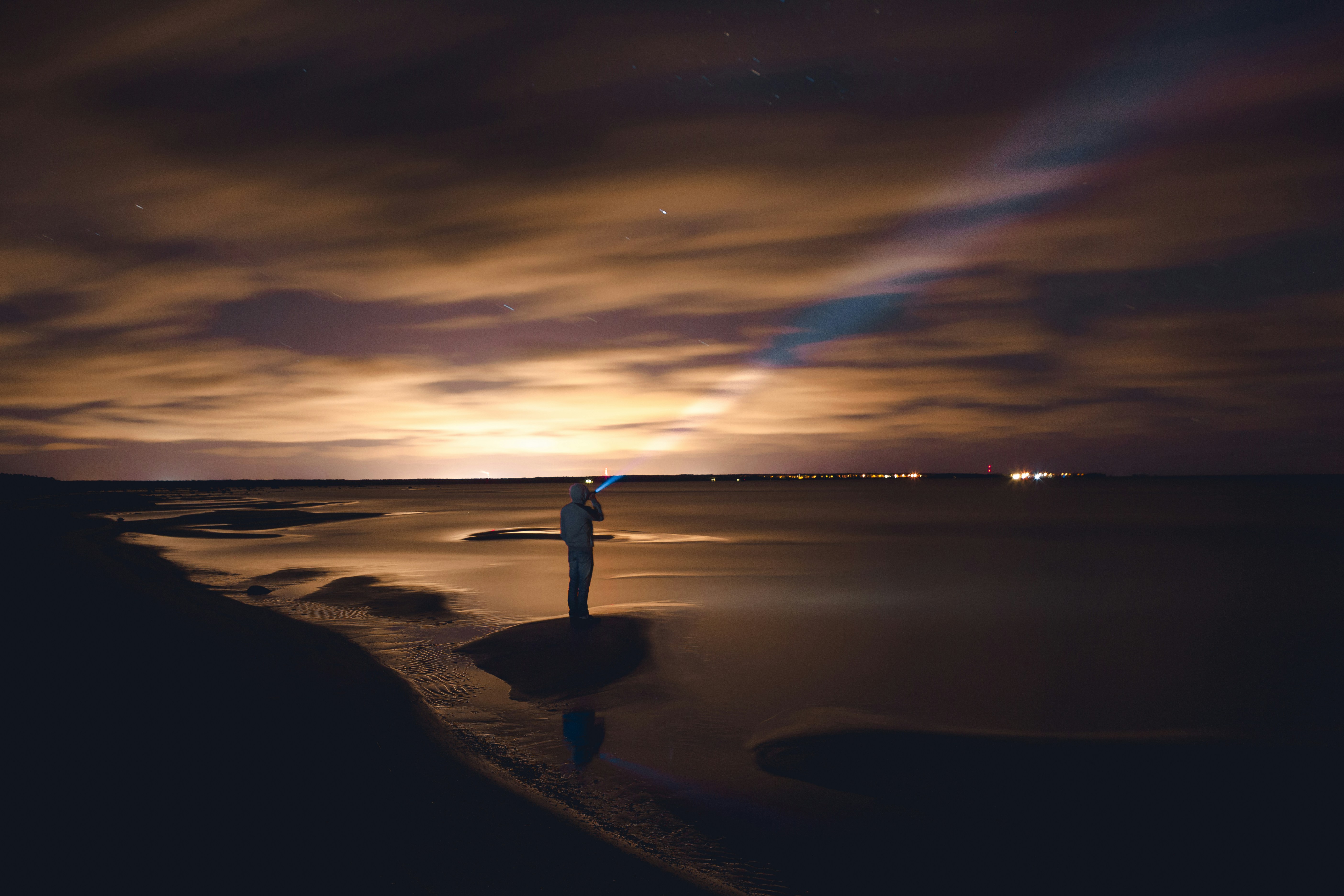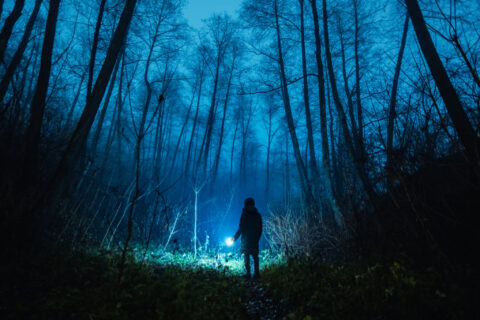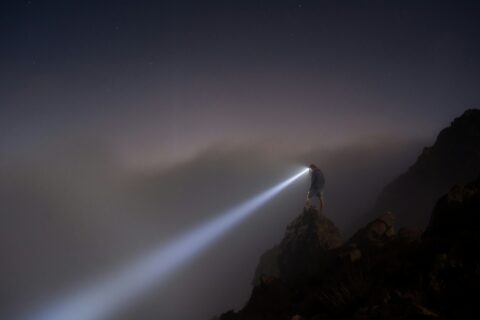
When shopping for a flashlight, the first spec many people fixate on is lumens—more lumens = brighter light, right? While lumens do measure brightness, they’re not the only factor that matters. A flashlight’s beam distance, beam type (flood vs. spot), and even color temperature work together to determine how useful it is in real-world scenarios. Blindly choosing the highest lumens often leads to shorter battery life, unnecessary glare, and wasted money. This guide breaks down the science of lumens, beam distance, and beam types, helping you choose the perfect brightness for your needs—whether it’s EDC, outdoor adventures, or home use.
The goal isn’t to find the “brightest” flashlight—it’s to find the right bright flashlight. By understanding how lumens translate to real-world performance and how beam distance complements brightness, you’ll make a smarter purchase and get more value from your flashlight.
Main Image: Flashlight Brightness & Beam Distance Guide
(Image Description: Informative, comparison-driven design. Center shows two flashlights: one with high lumens (glare) and one with balanced lumens/beam distance (focused light). Surrounding images: Beam distance test in dark, flood vs. spot beam demo. Bottom text: “Choose Lumens Wisely—Brightness That Fits Your Scenario”)
Part 1: Core Concepts – Lumens, Beam Distance & Beam Type
To choose the right brightness, you first need to understand three key terms and how they interact. These are the foundation of flashlight performance, and mixing them up is the biggest mistake beginners make.
1. Lumens: What They Actually Measure
Lumens (lm) are the unit of measurement for total light output—how much light the flashlight emits in all directions. Think of it as the “volume” of light, not the “strength” or how far it reaches.
- Common Misconception: Higher lumens = farther beam. This is false—beam distance depends on how the light is focused, not just total output.
- Real-World Example: A 1000lm flashlight with a focused beam might reach farther than a 2000lm flashlight with a wide, unfocused beam.
- Key Note: Most flashlights list “max lumens” (peak output), but this is often only sustainable for a few minutes (to prevent overheating). Look for “sustained lumens” (constant output) for a more accurate idea of performance.
2. Beam Distance: How Far the Light Reaches
Beam distance (measured in meters) is the distance at which the flashlight’s light is still bright enough to be useful (defined as 0.25 lux, roughly the brightness of moonlight).
- What Determines Beam Distance?: The flashlight’s reflector and lens. A deep, narrow reflector focuses light into a tight beam (long distance), while a shallow, wide reflector spreads light (short distance).
- Relationship to Lumens: More lumens can help with beam distance, but only if the light is focused. A low-lumen flashlight with a good reflector can outperform a high-lumen flashlight with a poor reflector.
- Practical Tip: For outdoor navigation, prioritize beam distance over max lumens—you need light that reaches far enough to see the trail ahead.
3. Beam Type: Flood vs. Spot (and Hybrid)
Beam type determines how the light is distributed, and it’s just as important as lumens and beam distance for real-world use. Most modern flashlights offer adjustable beam types for versatility.
- Spot Beam (Focused):
- Features: Tight, concentrated beam with long distance but narrow coverage.
- Best Uses: Night hiking, outdoor navigation, searching for objects far away (e.g., lost gear).
- Lumen Fit: 1000–2500lm for spot beams (too high and it causes glare).
- Flood Beam (Wide):
- Features: Wide, diffused beam with short distance but broad coverage.
- Best Uses: Campsite lighting, close-range tasks (equipment maintenance, reading), indoor emergencies.
- Lumen Fit: 300–1000lm for flood beams (higher lumens waste battery without adding value).
- Hybrid Beam (Adjustable):
- Features: Switch between spot and flood, or a mix of both (most versatile option).
- Best Uses: Multi-scenario use (EDC, camping, home use) where you need both long distance and wide coverage.
Image: Flashlight Beam Type Comparison
(Image Description: 3-grid layout showing beam types in real scenarios: Spot beam illuminating a distant trail, flood beam lighting a campsite, hybrid beam (spot + flood) for versatile use. Label each with beam distance and ideal lumens.)
Part 2: Scenario-Based Lumens & Beam Distance Recommendations
The best lumens and beam distance depend entirely on how you use your flashlight. Below is a detailed breakdown for common scenarios, so you can choose with confidence.
1. EDC/Daily Commuting
Needs: Balanced brightness (no glare), short to medium beam distance, compact size.
- Lumens: 300–1000lm (flood or hybrid beam). 300–500lm for close-range tasks (unlocking doors, finding items), 500–1000lm for occasional long-distance use (parking lots).
- Beam Distance: 20–50 meters (enough to see ahead on sidewalks or in parking garages).
- Pro Tip: Avoid over 1000lm—too bright for daily use, causes glare for others, and drains battery quickly.
2. Outdoor Camping/Hiking
Needs: Versatile brightness, long beam distance (for trails), wide coverage (for campsites).
- Lumens: 1000–2500lm (hybrid or spot beam). Use low (300–500lm) for campsites, high (1000–2500lm) for trail navigation.
- Beam Distance: 50–100 meters (spot beam) for hiking, 20–30 meters (flood beam) for camping.
- Pro Tip: Choose a flashlight with adjustable brightness modes—swap between low and high to save battery.
3. Backcountry/Professional Outdoor (Search & Rescue)
Needs: High sustained lumens, extra-long beam distance, durability.
- Lumens: 2500+lm (spot or hybrid beam, with sustained output).
- Beam Distance: 100–200+ meters (to search large areas or see far ahead in remote terrain).
- Pro Tip: Pair with a dual-power supply—high lumens drain batteries fast, so disposable backups are critical.
4. Home/Emergency Use
Needs: Wide coverage, gentle brightness (no glare), reliable performance.
- Lumens: 300–1000lm (flood beam). 300–500lm for power outages (indoor use), 500–1000lm for outdoor emergencies (e.g., checking a basement or yard).
- Beam Distance: 20–50 meters (enough for most home/yard scenarios).
- Pro Tip: Prioritize battery life over max lumens—you don’t want the flashlight to die during a power outage.
Image: Scenario-Based Lumens & Beam Distance Chart
(Image Description: Tabular layout with 4 columns: Usage Scenario, Recommended Lumens, Beam Distance, Beam Type. Clearly lists specs for EDC, camping, backcountry, and home use—easy to save and reference.)
Part 3: Common Mistakes When Choosing Lumens
Most people waste money on flashlights with too many lumens—here are the top mistakes to avoid:
- Chasing Max Lumens Blindly: A 5000lm flashlight sounds impressive, but it’s overkill for 99% of users. It will overheat, drain batteries in minutes, and cause glare that blinds you or others.
- Ignoring Sustained Lumens: Many flashlights claim high max lumens but drop to half brightness after 5–10 minutes. Always check sustained lumens for real-world performance.
- Forgetting Beam Type: A 1000lm flood beam won’t reach as far as a 800lm spot beam—match beam type to your needs, not just lumens.
- Overlooking Battery Life: Higher lumens = shorter runtime. A 2000lm flashlight might only last 2 hours on high, while a 1000lm model lasts 8 hours—choose based on how long you need it to run.
Part 4: How to Test Brightness & Beam Distance at Home
If you already own a flashlight or want to verify specs before buying, you can test brightness and beam distance easily at home:
- Brightness Test: Compare it to a known light source (e.g., a 1000lm flashlight you trust). Use it in a dark room—if it’s too bright to look at directly (even on high), it’s more than you need.
- Beam Distance Test: Go to a dark, open area (parking lot, backyard) at night. Turn on the flashlight and walk away until the light is no longer useful—measure that distance with a tape measure or phone app.
- Runtime Test: Run the flashlight on your most used mode and time how long it stays bright (before dimming significantly). This tells you the real-world battery life for that lumen setting.
Final Brightness & Beam Distance Checklist
- Define your primary use case (EDC, camping, etc.).
- Choose lumens based on scenario (300–1000lm for daily, 1000–2500lm for outdoor, 2500+ for professional).
- Match beam type to needs (spot for distance, flood for coverage, hybrid for versatility).
- Check sustained lumens and runtime (not just max lumens).
Conclusion
Lumens are important, but they’re not the be-all and end-all of flashlight performance. The best flashlight balances lumens, beam distance, and beam type to fit your specific needs. Blindly chasing high lumens will only lead to disappointment—instead, focus on what you actually use your flashlight for, and choose brightness that’s practical, not just impressive.
Whether you’re a daily EDC user, casual camper, or outdoor professional, this guide helps you cut through the marketing hype and choose a flashlight that delivers the right brightness, at the right distance, for every scenario. Remember: the perfect flashlight isn’t the brightest—it’s the one that works best for you.